
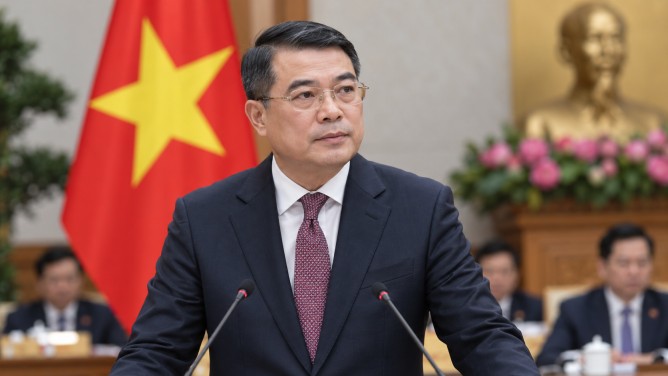
Vietnam is set to overhaul its petroleum trading regulations as part of a broader effort to enhance fuel distribution and market transparency. Prime Minister Lê Minh Hưng has mandated the Ministry of Industry and Trade to submit a draft decree by November 10, 2026, which aims to strengthen supply security and streamline the distribution network.
The directive, issued on October 21, requires the ministry to collaborate with other government departments to finalize the proposed changes. These reforms are designed to reduce the number of major petroleum traders, bolster their supply capabilities, and ensure they maintain adequate reserves. Additionally, the regulations seek to clarify trader responsibilities in preventing fuel shortages.
A significant aspect of the reform involves revising the fuel pricing mechanism. The draft framework proposes allowing petroleum businesses to set and announce retail prices within their networks, using a government-established pricing formula. This would replace the existing system of periodically published benchmark prices. Traders would be required to declare any price adjustments and notify relevant authorities, who would oversee compliance and market trends.
To prevent market manipulation and unjustified price hikes, the proposed regulations include safeguards against speculation. The authorities would retain the power to intervene when necessary to stabilize the market and protect consumers. The government aims to maintain state oversight while enabling prices to reflect market conditions more accurately.
In tandem with these reforms, the Ministry of Industry and Trade has been tasked with ensuring consistent petroleum supplies and coordinating with other agencies to avoid disruptions. The overall goal is to strengthen Vietnam’s regulatory framework, improve distribution efficiency, and secure national energy supplies, all while transitioning toward a more market-oriented system under state supervision.