
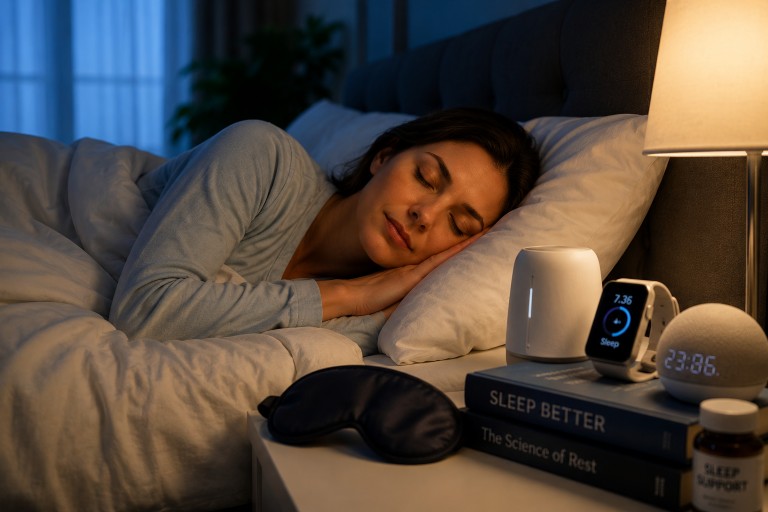
The quest for improved sleep has sparked a surge in demand for products dedicated to enhancing rest, a trend that has given rise to a burgeoning market. This includes an array of offerings from smartwatches and sleep-monitoring apps to specialized bedding options like mattresses and weighted blankets, as well as white-noise generators and cooling technologies. Consumers are investing more in these innovations, hoping they will lead to better sleep. However, specialists caution that while these devices can be helpful, they are no substitute for the basics of healthy sleep hygiene. Factors such as stress, excessive use of screens, inconsistent routines, noise, uncomfortable room temperatures, and untreated sleep disorders can disrupt sleep, regardless of the sophistication of technology employed.
Despite the allure of comfort-enhancing gadgets and data-providing devices, they can only go so far. A high-quality mattress or a data-tracking wearable might enhance the sleep environment and provide insights into sleep habits, but they have inherent limitations. Persistent issues like anxiety, noisy surroundings, erratic work hours, and undiagnosed sleep disorders necessitate more than just technological fixes. In fact, an over-reliance on these tools can sometimes be counterproductive, leading to increased stress, particularly highlighted by the phenomenon of orthosomnia. This condition involves an obsessive focus on achieving “perfect” sleep, often exacerbated by the constant monitoring of sleep data, which paradoxically can make it more challenging to unwind at night.
The market for sleep-related solutions continues to expand as awareness of the significance of quality sleep grows. This market now transcends the traditional boundaries of mattresses and pillows, encompassing wearable technology, sleep-centric applications, advanced bedding systems, and wellness initiatives. The trend is mirrored in the rise of wellness-oriented hotels and sleep retreats, indicating a broader cultural shift towards recognizing sleep’s integral role in overall health rather than viewing it merely as a nightly pause.
While sleep trackers can offer snapshots of sleep patterns, they fall short of diagnosing or addressing the myriad factors contributing to poor sleep quality. Stress from work, anxiety, late-night screen exposure, caffeine intake, fluctuating schedules, and various health issues are all potential sleep disruptors. Moreover, the online trend of “sleepmaxxing,” which emphasizes optimizing sleep through routines, products, diet, and technology, underscores the complexity of sleep issues. Though some practices associated with this trend can be beneficial, experts advise against turning sleep into another area for performance enhancement.
Ultimately, the most effective approach to fostering healthy sleep may be simpler than the high-tech solutions on offer. Establishing a consistent sleep-wake schedule, engaging in regular physical activity, managing stress, and minimizing screen time before bed create a solid foundation for restful sleep. Additionally, ensuring a comfortable bedroom environment by keeping it quiet, dark, and at a pleasant temperature aids relaxation. For those experiencing persistent or severe sleep difficulties, such as prolonged inability to sleep, loud snoring, breathing interruptions during sleep, or marked daytime fatigue, seeking medical advice is crucial rather than relying solely on consumer products.