
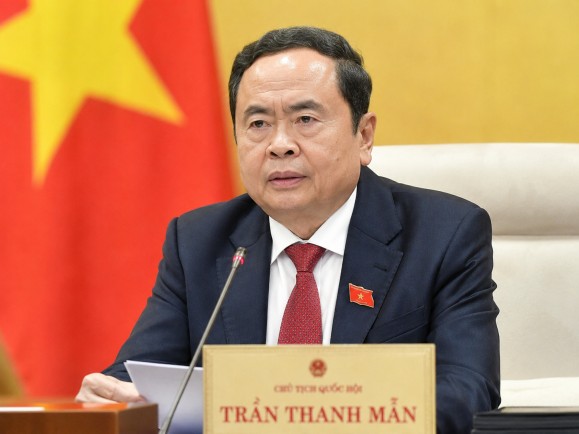
The Standing Committee of Vietnam’s National Assembly is currently examining a draft law that aims to streamline administrative processes and business regulations within the country’s agriculture and environment sectors. This proposed legislation touches on ten existing laws that govern areas such as plant protection, animal husbandry, fisheries, irrigation, water resources, veterinary services, and crop production. The initiative reflects ongoing efforts to modernize and simplify operations in these vital sectors.
Key components of the draft law include the elimination of 38 administrative procedures and the removal of 40 business conditions, alongside the simplification of an additional 13 procedures. These changes are projected to significantly cut down processing times by a total of 904 days. Moreover, the reforms are anticipated to save businesses around VNĐ189.9 billion, equivalent to approximately US$7.3 million, in compliance costs, thereby reducing the financial and bureaucratic burden on enterprises.
During the review, lawmakers underscored the importance of maintaining robust regulatory oversight even as decentralization is expanded. This balance is crucial to ensure that the integrity and safety of agricultural and environmental practices are upheld. The draft law also advocates for the adoption of digital tools, such as QR codes and product traceability systems, which are intended to enhance inspection processes and ensure the quality of products across these sectors.
The proposed legislative changes are part of a broader strategy to encourage efficiency and innovation in Vietnam’s agriculture and environment fields, which are key pillars of the national economy. By harnessing technological advancements and reducing unnecessary bureaucratic hurdles, the government aims to foster a more business-friendly environment that can support sustainable growth.
The final version of this draft law is expected to be ready by July 25, signaling a significant step towards modernizing Vietnam’s regulatory framework. As the draft moves closer to completion, stakeholders in the agriculture and environment sectors are closely watching the potential impacts these changes could have on their operations and the broader economy.