
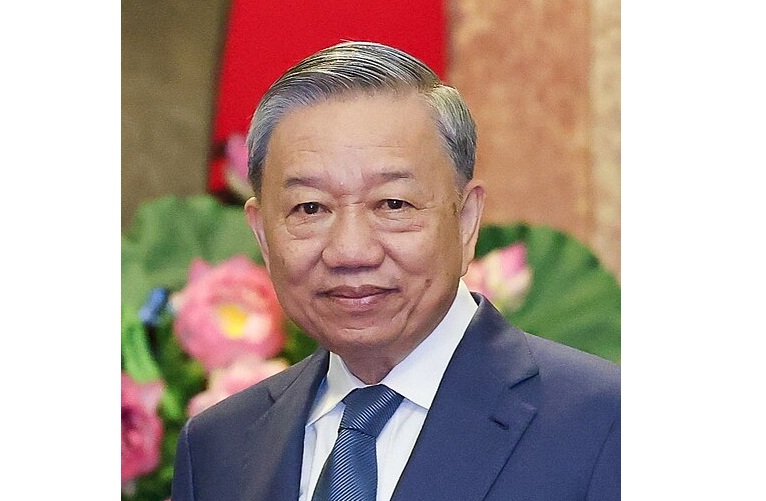
Vietnam is set to see significant strides in institutional reform, administrative streamlining, and legal modernization by 2026, following a call for concrete and measurable advancements by Tô Lâm. At the helm of the Central Steering Committee for Institutional Perfection and Law Enforcement in Hanoi, Tô Lâm underscored the necessity for government bodies to produce substantive outcomes rather than mere token gestures. The focus, he noted, should be on finalizing legal documents, simplifying processes, overcoming legal hurdles, and ensuring clear leadership accountability.
The inaugural meeting of the committee witnessed the presence of high-ranking officials such as Lê Minh Hưng and Trần Thanh Mẫn. In his directives, Tô Lâm urged ministries and agencies to commence with the implementation of the committee’s conclusions without delay, establish robust monitoring systems, and routinely furnish reports highlighting completed assignments, any delays, and challenges that might necessitate intervention from higher authorities.
Key areas of priority were discussed during the meeting, including bolstering the state economy, enhancing conditions for foreign investment, trimming down administrative burdens, addressing urban air pollution, and revising the criminal procedure framework. On the topic of foreign investment, the committee stressed the importance of fostering competitive policies that promote technology transfer, research and development, workforce training, green transformation, and digital innovation. It also highlighted the need for better oversight of strategic investors and improved regional coordination to attract foreign capital.
To combat air pollution in major urban centers, officials proposed a shift toward an outcome-based approach to air quality management. This would involve the support of advanced environmental monitoring systems, stronger early-warning mechanisms, and clearer accountability for pollution sources. Additionally, the committee advocated for making administrative reform a continuous responsibility rather than a temporary initiative, emphasizing the importance of post-inspection oversight and risk-based governance in place of extensive pre-approval requirements.
On the judicial front, the committee is in the process of reviewing potential amendments to the Criminal Procedure Code. The aim is to strike a balance between effective crime prevention and ensuring fairness, asset recovery, and support for socio-economic development. Through these actions, Vietnam seeks to create a more efficient and accountable governmental framework that is responsive to both domestic and international needs.