
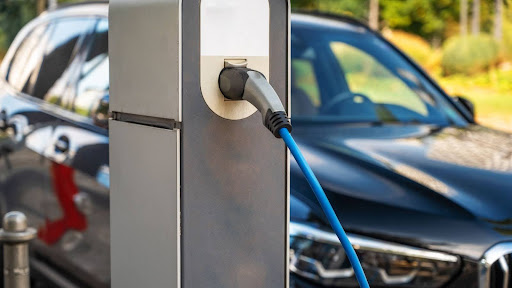
Most American drivers could not have located the Strait of Hormuz on a map before the Iran conflict began. Three weeks later, the narrow waterway between Iran and the Sultanate of Oman has become intimately relevant to the financial lives of every driver in the country. Its closure by Iran following US and Israeli military strikes has elevated American gasoline to $3.90 per gallon — and that number, flashing on signs at gas stations across the country, has driven US interest in electric vehicles to a 20 percent surge that CarEdge has now documented over three consecutive weeks.
The mechanism connecting a Persian Gulf waterway to American gas pump prices is the global oil market. The Strait carries roughly one-fifth of global oil supply — about 20 million barrels per day — and its closure created an immediate supply disruption that elevated crude prices worldwide. Those crude price increases translated to American retail fuel prices within days, delivering the financial consequences of a geopolitical event thousands of miles away directly to American household budgets.
CarEdge’s Justin Fischer said the consumer response was almost instantaneous — EV search activity jumped within 48 hours of the conflict beginning. The Strait of Hormuz, once an abstraction of international relations, had become a concrete financial reality for American drivers. Edmunds’ Jessica Caldwell noted that the experience of paying $3.90 per gallon at a gas station is a more effective communicator of oil dependence’s real costs than any foreign policy briefing or energy security report.
The used EV market at sub-$25,000 prices offers the most accessible practical response. Pre-owned Teslas, Chevy Equinox EVs, and Nissan Leafs represent vehicles that would have insulated their owners from the specific financial impact that the Strait of Hormuz closure has created. That insulation is now visible and socially shared — EV owners in cities like Los Angeles are actively making the comparison with their gasoline-driving peers.
The day the Strait of Hormuz became every American driver’s problem may also be the day that a significant segment of those drivers decided it should be the last time. The 20 percent EV interest spike is the early evidence. Whether it leads to the lasting behavioral change that would reduce American exposure to future Strait of Hormuz moments is the question that will define the most important consequence of the current moment.