
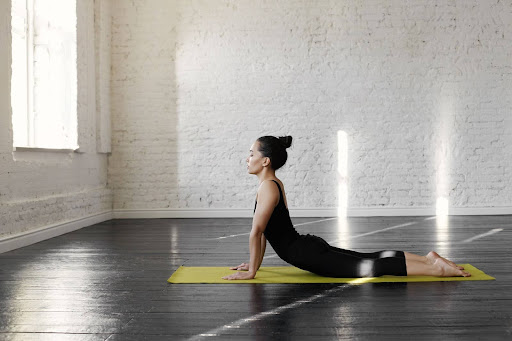
Extended sitting has become one of the most significant health challenges of modern work culture, creating postural problems and spinal dysfunction that accumulate gradually but persistently. Many desk workers experience chronic discomfort but lack effective strategies for prevention or correction. A yoga instructor specializing in therapeutic movement offers practical solutions specifically designed for people whose work demands prolonged sitting.
This expert’s teaching begins with understanding the spine’s role as the body’s foundational architecture. This framework reveals why back health influences overall physical wellness so profoundly. When the central support structure functions optimally, benefits extend throughout connected systems, improving everything from breathing capacity to movement quality to organ function.
The instructor emphasizes that quality posture involves genuine alignment creating ease rather than rigid positioning creating tension. Effective seated posture feels sustainable for extended periods, reducing cumulative stress that causes joint deterioration, maintaining appropriate spatial relationships for internal organs, and preserving the spine’s natural curves. This alignment prevents the collapsed positioning typical of prolonged desk work that leads to progressive dysfunction over time.
Five key categories highlight why back health deserves priority attention for desk workers. First, proper alignment counteracts “tech neck” and desk slump patterns that distort natural posture. Second, strong back muscles provide essential skeletal support reducing injury risk during work activities and beyond. Third, recognizing the back’s core function reveals why comprehensive strength requires posterior muscle development often neglected in conventional training. Fourth, enhanced stability improves all physical performance by increasing power and efficiency. Fifth, optimal spinal alignment creates space for full breathing while enabling fluid movement when transitioning from seated work to other activities.
For practical application specific to desk workers, the instructor provides detailed sitting guidance alongside general postural protocols and strengthening exercises. Her seated positioning recommendation emphasizes cushion placement slightly higher near the spine’s natural arch, providing support while encouraging the sternum to lift naturally rather than collapse forward. This simple adjustment significantly reduces lower back strain while promoting better overall seated posture without requiring conscious effort to “sit up straight.” She also offers a five-step standing protocol for breaks from sitting: weight on heels, chest lifted, tailbone tucked slightly, shoulders rolled back with loose arms, chin parallel to ground. Walking practice involves crossing arms behind back with elbows holding each other to reinforce proper alignment. The strengthening exercises use wall support to systematically address weakness and restriction patterns common among desk workers. The first creates a sustained stretch opening tight posterior chain muscles while building endurance in supporting structures. The second incorporates dynamic arm movements enhancing shoulder mobility often restricted by keyboard and mouse use. These targeted interventions help desk workers protect spinal health despite occupational demands requiring extended sitting.