
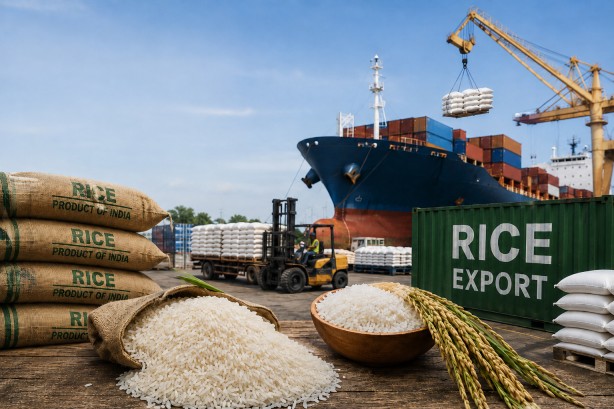
Vietnam is poised to see an uptick in the value of its rice exports as the year 2026 draws to a close, driven by a recovery in international prices and stronger demand in key markets. By mid-August, Vietnam had shipped approximately 5.7 million tonnes of rice, with projections for the entire year reaching around 7.7 million tonnes. Despite this high volume, export earnings are anticipated to be about US$3.9 billion, reflecting a 4% drop from the previous year due to weak average prices in the first half. However, a price rebound beginning in July, with a 5.8% increase year-on-year, signals potential revenue growth if the trend persists.
The global context appears favorable for Vietnam’s rice exports. Analysts anticipate a supply-demand deficit in the global rice market for the 2026-27 crop year, alongside the potential for record-level global trade. Concerns over a strong El Niño event could also prompt countries to bolster their food reserves, further boosting demand. The Philippines, Vietnam’s largest rice importer, intends to maintain its import levels to strengthen reserves, targeting about 5.6 million tonnes for the 2026-27 season. Meanwhile, China is stepping up its rice imports, particularly of broken rice used for animal feed, opening additional channels for Vietnamese exports.
Opportunities also arise from other regions. Nigeria is expected to encounter a significant shortfall in rice supply, and Kenya has temporarily removed import duties on white rice under a quota system. Vietnamese exporters are capitalizing on the demand for premium rice, with high-quality and low-emission certified varieties fetching prices exceeding US$1,000 per tonne in Japan, the European Union, and Australia.
Nevertheless, several challenges loom over Vietnam’s rice export landscape. Potential changes in the Philippines’ tariff policies could see safeguard duties on Vietnamese rice push tariffs above 35%, which would impact Vietnam’s exports to its largest market. Indonesia, buoyed by strong domestic production and reserves, is unlikely to import rice this year. In African markets, Vietnam faces stiff competition from India and Pakistan on pricing, while Thailand and Cambodia are expanding their presence in China and fragrant rice exports, respectively.
Additionally, rising costs in fertilizer, transportation, and energy exert pressure on Vietnamese farmers and exporters. The anticipated El Niño event could also bring drought and saltwater intrusion between late 2026 and early 2027, potentially threatening the winter-spring rice crop. Despite these hurdles, the combination of recovering prices, increased demand, and interest in premium rice products could enhance Vietnam’s export revenues as the year progresses, even as tariffs, competition, and environmental risks remain pivotal concerns.