
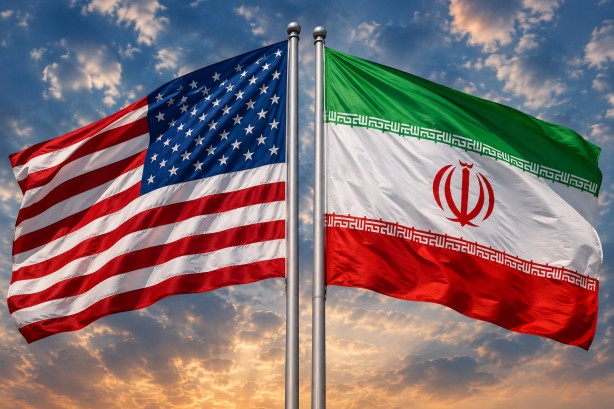
Relations between the United States and Iran have deteriorated significantly following a series of intense military exchanges, marking the most severe confrontation since they agreed to an interim ceasefire last month. The United States initiated a new round of airstrikes targeting approximately 80 sites associated with Iran’s military capabilities. According to Washington, these operations are intended to mitigate threats to the freedom of navigation in the Strait of Hormuz. This military action followed Iran’s targeting of three commercial ships traveling through the crucial waterway.
In retaliation, Iran launched missiles and drones at American military installations located in Bahrain and Kuwait. Additionally, Tehran unveiled a new military doctrine emphasizing that the United States and its regional allies would be considered equal adversaries in any future conflicts. The situation prompted President Donald Trump to caution that the U.S. is ready to undertake further military measures should Iran persist with its aggressive actions. Despite the rising tensions, Trump expressed confidence that the situation would not escalate into a prolonged conflict.
The recent surge in hostilities poses a significant threat to the fragile ceasefire agreement, which was designed to establish a platform for negotiations regarding Iran’s nuclear program, the lifting of sanctions, and security arrangements in the Strait of Hormuz. While Iran asserts its authority over regulating shipping through the strait, the United States argues that Iran’s attacks on commercial vessels breach international maritime security, thus justifying its military response.
The conflict has also contributed to a rise in global oil prices, as fears mount over potential disruptions to the Strait of Hormuz, a vital conduit for the world’s energy supply. The strategic waterway’s security remains a critical concern, given its status as one of the most crucial routes for global energy transportation.