
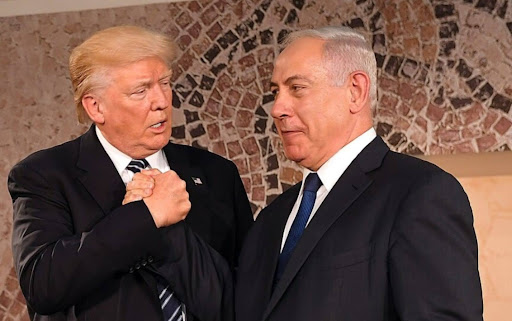
Beneath the diplomatic headlines and political statements, the Trump-Netanyahu campaign against Iran involves a complex military architecture that shapes how decisions are made, how operations are conducted, and how the two allies interact in practice. Understanding that architecture helps explain both the coordination that makes the alliance effective and the gaps that produce episodes like the South Pars gas field dispute.
The architecture involves intelligence sharing at multiple levels — raw intelligence, analysis, targeting data, and operational information. The two countries’ intelligence services have a long history of deep cooperation, and that cooperation provides the foundation for joint operations. What it does not provide is a formal decision-making structure in which both governments must authorize every significant action. Intelligence sharing is the foundation; it does not imply joint command.
Targeting coordination is a separate layer — one that both governments have confirmed exists. This involves discussion of targets, deconfliction of operations, and in some cases joint planning. The confirmation of ongoing coordination suggests that Israel does not operate in complete informational isolation from its American partner. What it does not imply is that Trump’s approval is required before every Netanyahu-ordered Israeli strike is executed.
Operational execution remains under Israeli command for Israeli operations and American command for American operations. The two militaries are not operating as a single integrated force — they are conducting parallel campaigns with significant overlap in intelligence and planning but separate execution authorities. That structure allows for the kind of “acted alone” that Netanyahu described — an Israeli decision, executed by Israeli forces, within a context of general coordination but without specific Trump authorization.
The architecture that produces effective joint operations also produces the accountability gaps visible at South Pars. When Israel strikes a target it has identified as strategically important — whether or not Trump agrees — the parallel execution structure means it can do so. Managing that combination is the ongoing operational challenge of the alliance.